

- Written by: admin
- March 5, 2026
- Comments: (0)
Table of Contents
Toggle
If you’re over 35 and feel like your body doesn’t respond the way it used to, you’re not imagining it.
The workouts that once flattened your stomach now barely move the scale. The late-night snacks seem to “stick” longer. Even eating the same meals you did in your twenties produces different results.
Many Americans begin asking the same question: why does metabolism slow down after 30 — and is that really the reason belly fat becomes more stubborn?
The short answer: yes, metabolism changes.
The longer answer is far more nuanced — and empowering.
Let’s break down what’s actually happening inside your body, what science says about metabolic slowdown, and most importantly, what you can do about it.
The Real Science Behind Metabolism After 30
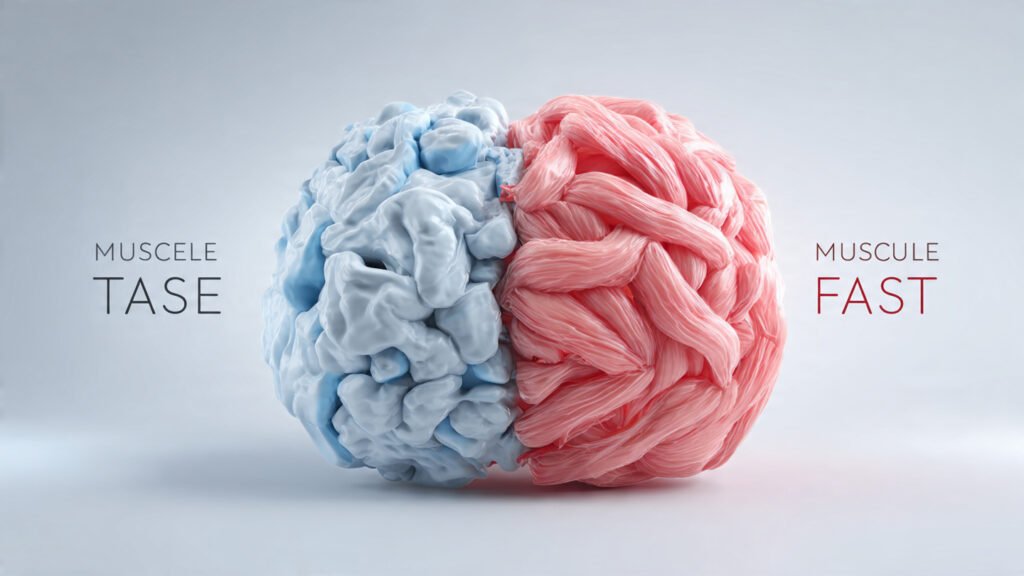
Metabolism refers to all the chemical processes your body uses to convert food into energy. Your Basal Metabolic Rate (BMR) accounts for most of the calories you burn daily — even at rest.
As we move into our thirties and beyond, several physiological shifts occur:
Gradual muscle mass decline
Hormonal fluctuations
Decreased daily movement
Increased stress levels
Sleep disruptions
This leads many people to wonder: why does metabolism slow down after 30 if they haven’t dramatically changed their lifestyle?
Research from the National Institutes of Health shows that muscle mass begins to decline slowly after age 30. Since muscle burns more calories than fat, losing muscle lowers daily energy expenditure.
That doesn’t mean your metabolism “crashes.” It means it adapts.
Hormones: The Hidden Factor After 35
For women, perimenopause can begin in the mid-30s or early 40s. Estrogen fluctuations influence fat storage — especially around the abdomen.
For men, gradual testosterone decline also impacts muscle retention and fat distribution.
This hormonal shift is one reason why people start searching for answers like why does metabolism slow down after 30, particularly when belly fat becomes more noticeable.
According to research referenced by the Centers for Disease Control and Prevention, abdominal fat increases health risks more than subcutaneous fat elsewhere on the body.
This is why understanding the root cause matters more than crash dieting.
Muscle Loss: The Overlooked Culprit

Between ages 30 and 50, adults can lose 3–8% of muscle mass per decade if strength training isn’t part of their routine.
Less muscle = lower resting calorie burn.
That’s often the real answer behind the question: why does metabolism slow down after 30.
It’s not sudden. It’s gradual. And it’s reversible.
Resistance training is one of the most powerful tools to support metabolic function after 35.
Lifestyle Changes That Quietly Lower Metabolism
Beyond biology, modern American life contributes significantly:
Desk jobs
Reduced daily walking
Chronic stress
Ultra-processed food consumption
Shortened sleep cycles
When people ask, why does metabolism slow down after 30, they often overlook daily movement.
Non-exercise activity thermogenesis (NEAT) — small movements like walking, standing, fidgeting — declines with sedentary habits.
This can reduce daily calorie burn by hundreds of calories.
The Role of Thermogenesis
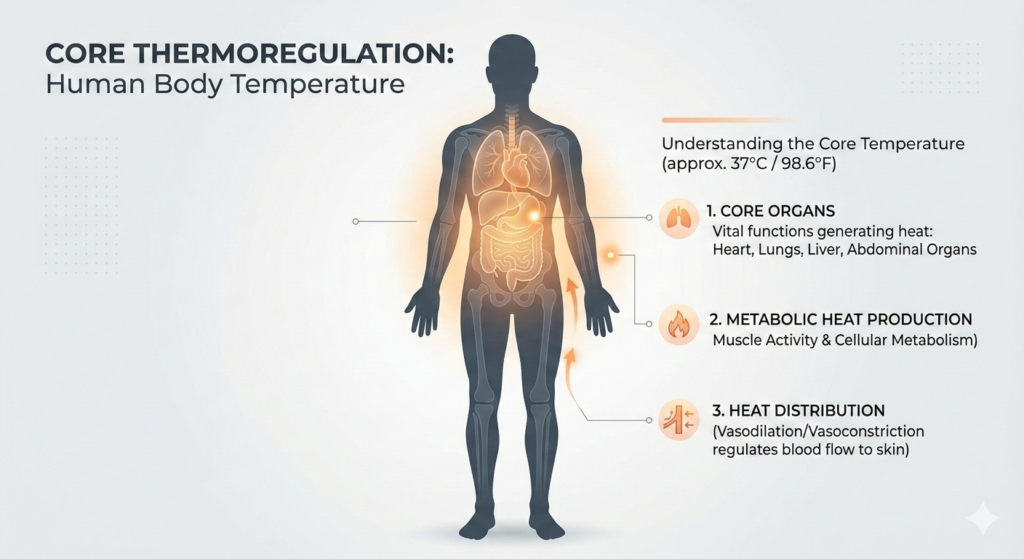
Thermogenesis is your body’s ability to generate heat and burn calories during digestion and movement.
Supporting thermogenesis doesn’t require extreme supplements. It includes:
Strength training
High-protein meals
Cold exposure (moderate)
Regular physical activity
Understanding thermogenesis helps clarify why does metabolism slow down after 30, especially when muscle decreases and sedentary time increases.
Why Belly Fat Specifically Becomes Stubborn
Belly fat is hormonally sensitive.
Cortisol (the stress hormone) encourages abdominal fat storage.
Sleep deprivation increases hunger hormones.
Insulin resistance becomes more common with age.
When adults ask why does metabolism slow down after 30, what they’re often experiencing is hormonal redistribution — not just calorie imbalance.
This is why starving yourself rarely works long-term.
What Actually Helps After 35
Instead of fighting your body, support it.
1. Prioritize Strength Training
2–4 sessions per week can preserve muscle.
2. Increase Protein Intake
Aim for 0.7–1g per pound of body weight (consult a professional for personalized guidance).
3. Improve Sleep
7–9 hours nightly supports hormonal balance.
4. Manage Stress
Chronic cortisol contributes to belly fat retention.
5. Focus on Sustainable Nutrition
Not extreme calorie restriction.
These strategies directly address the concern behind why does metabolism slow down after 30 by targeting muscle, hormones, and daily movement.
Supplements: Do They Help?
Some supplements aim to support thermogenesis and metabolic efficiency.
However, supplements should support — not replace —:
Diet
Resistance training
Sleep
Stress control
If you’re researching options, focus on transparency, ingredient sourcing, and clinical backing.
Avoid miracle claims.
The Psychological Factor
Another overlooked reason people believe why does metabolism slow down after 30 is because expectations remain the same as in their twenties.
But your body evolves.
Your strategy must evolve too.
Consistency beats intensity after 35.
Long-Term Perspective: Metabolism Is Adaptable
Contrary to popular belief, metabolism doesn’t permanently “break.”
It adapts to:
Muscle mass
Activity level
Hormones
Caloric intake
When people repeatedly ask why does metabolism slow down after 30, they often underestimate how responsive the body still is to positive change.
Muscle can be rebuilt.
Metabolic rate can improve.
Insulin sensitivity can be enhanced.
Final Takeaway
Belly fat after 35 isn’t a personal failure.
It’s biology combined with lifestyle shifts.
Understanding why does metabolism slow down after 30 gives you control instead of frustration.
Instead of extreme dieting:
Build muscle
Prioritize protein
Improve sleep
Reduce stress
Move daily
Sustainable change always outperforms quick fixes.
Conclusion
If you’re over 35 and struggling with stubborn belly fat, know this:
Your metabolism isn’t broken. It’s adapting.
When you understand why does metabolism slow down after 30, you stop chasing shortcuts and start supporting your body intelligently.
And that’s where real, lasting progress begins.